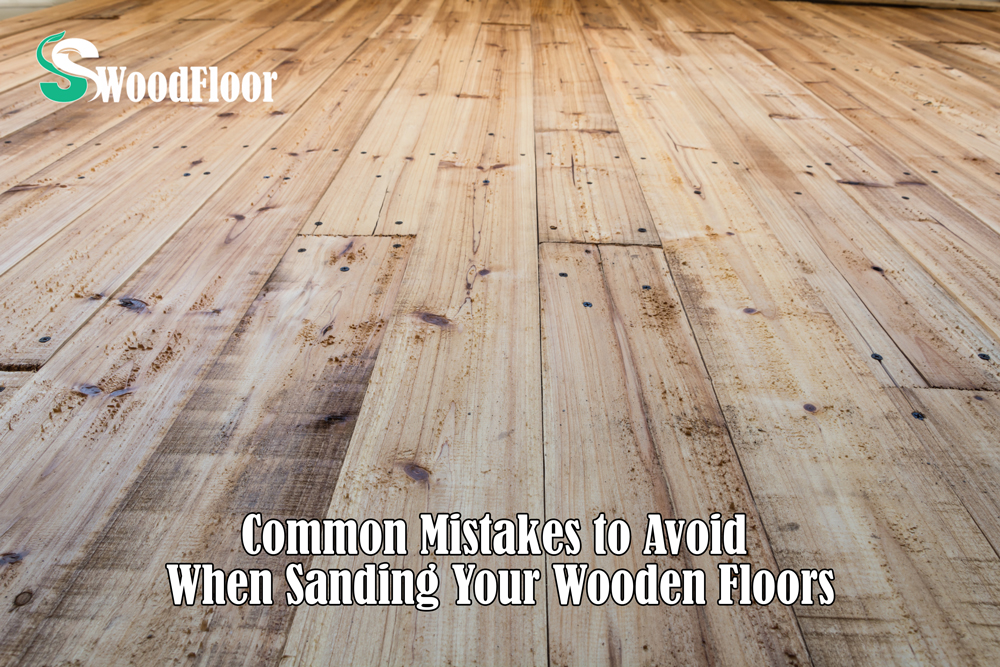
Sanding your wooden floors is a great way to revamp their look and feel. However, it’s important to approach the job with care and attention to detail. Here are some common mistakes to avoid when sanding your wooden floors.
Using the wrong sandpaper grit
One of the biggest mistakes people make when sanding their floors is using the wrong sandpaper grit. If you start with a grit that’s too coarse, you can damage the wood and leave deep scratches that are difficult to remove. On the other hand, if you start with a grit that’s too fine, you won’t be able to remove the old finish or get the floor smooth enough for a new finish to adhere properly.
Skipping the sanding sequence
Another mistake people make is skipping the sanding sequence. This involves using progressively finer sandpaper grits to smooth out the floor and remove any scratches left by the previous grit. If you skip a grit, you’ll end up with an uneven surface that will show through the new finish.
Not removing all the dust
Dust is the enemy of a smooth finish. If you don’t remove all the dust from the floor before applying the new finish, it can get trapped under the finish and create a rough, gritty texture. Use a vacuum cleaner and tack cloth to remove as much dust as possible before applying the finish.
Using the wrong finish
Choosing the wrong finish for your wooden floors can lead to disappointment and frustration. Some finishes are better suited for high-traffic areas, while others are better for low-traffic areas. It’s important to choose the right finish for your specific needs.
Not applying enough coats of finish
Finally, one of the most common mistakes people make is not applying enough coats of finish. Most finishes require at least two coats, and some require three or more. Applying too little finish can leave the floor vulnerable to damage and wear.
By avoiding these common mistakes, you can ensure that your wooden floors look their best for years to come. If you’re not confident in your ability to sand and finish your floors, it’s always best to hire a professional. Contact S Wood Floor Company in London for expert advice and service.
FAQ
What should you not do when sanding floors?
When sanding floors, there are several common mistakes you should avoid, such as skipping grits, using the wrong sandpaper, and neglecting to prepare the surface properly. It’s also important not to rush the job or apply too much pressure on the sander, as this can result in uneven surfaces and damage to the wood.
What is the best way to sand a wood floor?
The best way to sand a wood floor is to start with coarse grit sandpaper and work your way up to finer grits. It’s important to sand with the grain of the wood, and to avoid leaving any swirl marks or uneven areas. Using a professional-grade floor sander and edger can also help achieve a smooth and even finish. It’s also important to properly prepare the floor by cleaning and repairing any damage before sanding.
What not to do when refinishing hardwood floors?
When refinishing hardwood floors, it’s important not to skip sanding steps, over-sand the floor, use too much water, forget to clean the floor properly, and apply too many coats of finish.
How do I keep dust down when sanding my floor?
There are several ways to keep dust down when sanding your floor:
- Use a dustless sanding system: A dustless sanding system uses special equipment and sanding pads that trap dust as you sand, preventing it from spreading throughout the room.
- Seal off the room: Before you begin sanding, close off the room and seal any gaps around doors and windows with plastic sheeting or tape. This will prevent dust from spreading to other parts of your home.
- Use a vacuum: As you sand, use a vacuum with a HEPA filter to suck up dust as it’s produced. Be sure to empty the vacuum bag or canister frequently to prevent dust from spilling out.
- Wet-mop the floor: After sanding, wet-mop the floor to pick up any remaining dust. Use a damp mop, not a wet one, to avoid damaging the wood.
By following these tips, you can significantly reduce the amount of dust produced during the sanding process and keep your home cleaner and healthier.