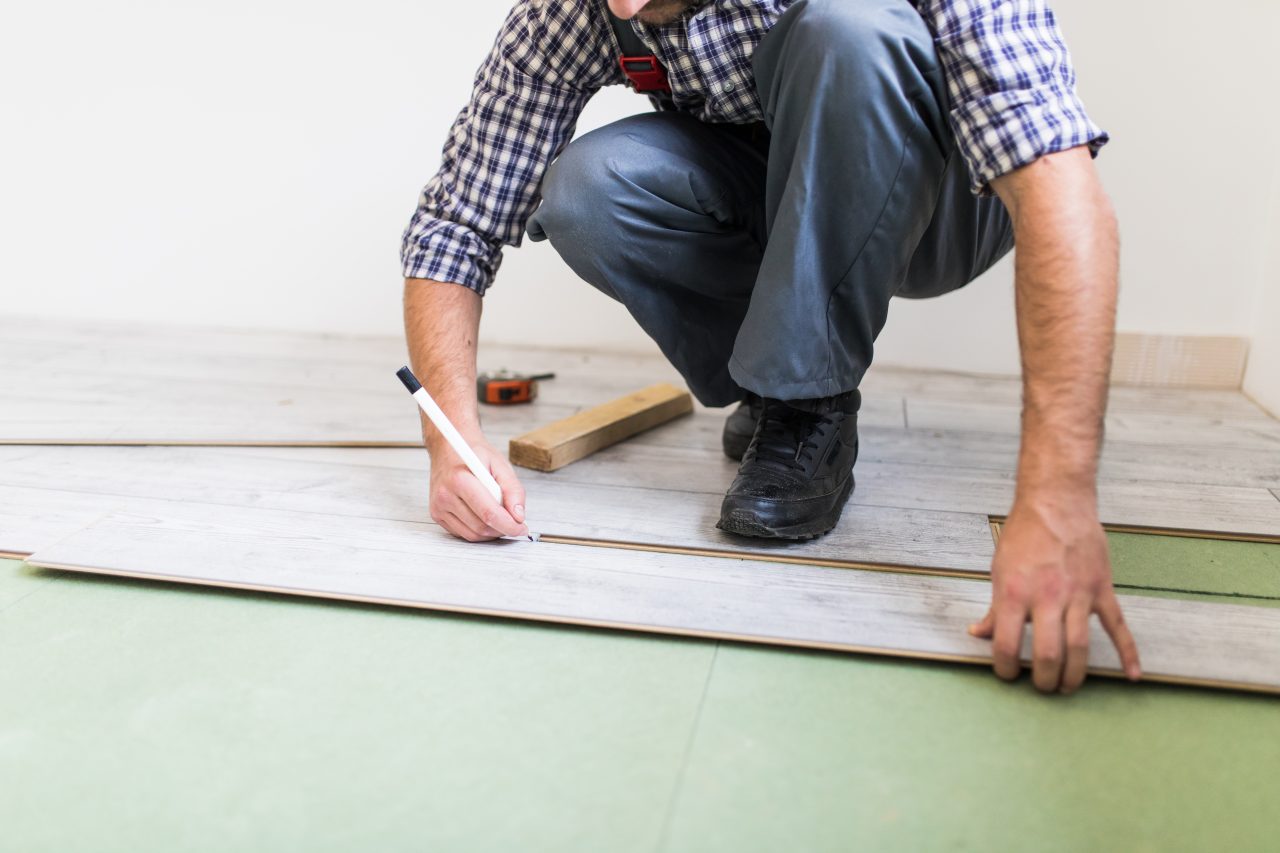
Putty – to install parquet, you need an even and well-dried putty. Parquet imitates the floor and in the course of operation adapts to the screed, so it is very important that it is well made.
Laying without gluing – with this laying, it is recommended that the screed be absolutely flat and smooth, otherwise the parquet will creak, distort during operation, and some of the assemblies will break in the places of the uneven areas. With this arrangement, the parquet is wedged into the wall so that it does not come apart, which prevents it from moving when the atmospheric humidity changes, which can cause it to swell at certain times when the seasons change.
Layering with gluing for the floor – in this layering, it is recommended that the screed is not friable, as smooth and flat as possible, so that better bonding can be achieved. The consumption of glue is between 2 and 3 kg per square meter. It avoids squeaking, moving, vibrations and other unpleasant sensations.
FREQUENTLY ASKED QUESTIONS
A clear polymer for filling cracks and joints on sanded wood block and Parquet flooring.
Gap filling is highly recommended for parquet flooring blocks. It improves the appearance, increases the bonding and solidness, and it helps extend the life of the floor finish. Solid wood parquet flooring laid over concrete without a proper damp-proofing barrier, can be affected by moisture changes in the sub-floor.
Both wood putty and wood filler do the job of a wood hole filler, but there are limitations to both. Putty should only be used on finished or stained surfaces because the chemicals that are part of its composition can be harmful to exposed wood.
As wood is a natural product it will naturally expand and contract with changes in temperature and humidity. If a sufficient expansion gap has not been left to allow the flooring to do this, then it is likely to start to lift up as it has nowhere else to move.
The most common method used is mixing clear resin filler with sawdust. The dust is collected during the sanding process from medium to the fine grit of sanding. The method is very popular for gaps of up to 5-6 mm and largely used on parquet flooring and floorboards.
Putty is used for floors and plaster for walls and sometimes ceilings. The difference between the two is not only in the chemical composition and application, but also in the application techniques, which require a full understanding of the nuances of the products themselves. Self-leveling screeds, for example, need preparation and precise mixing at certain speeds. It is also necessary to do it in stages, especially if the level of the floor rises significantly, in order to avoid cracking and breaking the strength of the screed.
When the differences in the floor are extremely small or it is too cold or warm. The ambient temperature and the surfaces surrounding the screed have a huge bearing on the performance and strength of a screed. Excessive cold can form ice crystals in the mix water, and heat can unevenly evaporate the water from the mix, causing cracking. For this reason, it is important to consider when screed is applied, as well as to use a primer to equalize the absorbency of the floor covering.